When applying for a visa, there are several factors that could result in your application being denied. Whether you’re applying for a tourist visa, a student visa, or a work visa, understanding the common reasons for rejection and how to avoid them can significantly increase your chances of success.
Here are the most common reasons why visa applications get rejected—and what you can do to ensure your application is strong.
-
- Incomplete or Incorrect Documentation
- One of the most common reasons for visa denial is submitting incomplete or incorrect documentation. This could range from missing required forms to providing inaccurate information on your application.
How to Avoid It:
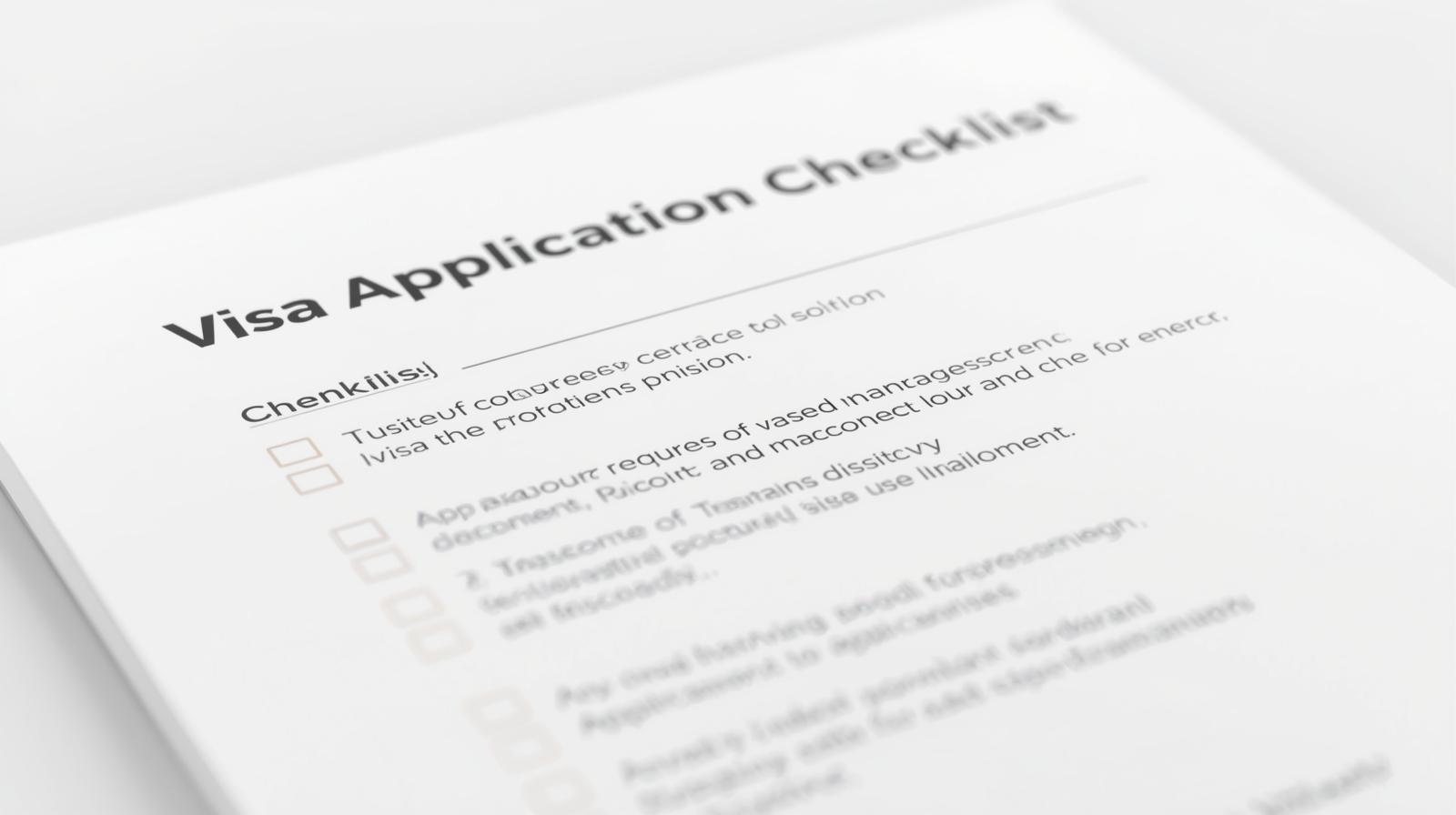
• Double-Check Requirements: Always review the list of required documents for your specific visa type. Ensure that you have everything, including passport photos, financial statements, invitation letters, etc.
• Accurate Information: Fill out every section of the application correctly. If you’re unsure about any details, consult with the embassy or a visa consultant.
• Organize Your Documents: Submit the documents in the required order, and ensure they are clearly legible and properly translated (if necessary).
-
- Failure to Prove Strong Ties to Your Home Country
Visa officers are often looking for evidence that you plan to return to your home country after your trip. This is especially important for tourist or visitor visas.
How to Avoid It:
• Provide Proof of Employment or Studies: Show evidence of a stable job, business ownership, or enrollment in school. This demonstrates your intention to return.
• Financial Ties: Submit bank statements, property ownership, or other financial assets to prove that you have significant ties to your home country.
• Family Ties: Providing evidence of family members who rely on you or live in your home country can strengthen your case.
- Failure to Prove Strong Ties to Your Home Country
-
- Insufficient Financial Support
Visa officers need to be confident that you can support yourself financially during your stay, and that you won’t rely on government support or overstay your visa.
How to Avoid It:
• Provide Bank Statements: Ensure that your bank statements show sufficient funds to cover your travel expenses, including accommodation, food, and transportation.
• Show Proof of Income: If you’re employed, include your recent pay slips or tax returns.
• Sponsor Documents (if applicable): If someone is sponsoring your trip, include their financial documents, proof of relationship, and a formal sponsorship letter.
- Insufficient Financial Support
-
- Past Immigration Violations or Criminal Record
A history of overstaying visas, violating immigration laws, or having a criminal record can lead to a visa rejection.
How to Avoid It:
• Be Honest: If you’ve had any previous issues with immigration, it’s crucial to disclose them honestly. Providing a full explanation can sometimes help.
• Clear Your Record: If possible, ensure that your criminal record is cleared before applying. Some countries allow visa applicants with minor offenses to apply for waivers.
- Past Immigration Violations or Criminal Record
-
- Poor Travel History or No Travel History
A lack of international travel experience can sometimes be seen as a red flag. If the embassy feels you haven’t traveled much before, they may worry about your intentions.
How to Avoid It:
• Build a Travel History: If you have the time and resources, consider applying for a visa to a nearby country to build up your travel history.
• Explain Your Intentions: If this is your first international trip, be clear about your reasons for travel, provide solid documentation, and emphasize your intent to return.
- Poor Travel History or No Travel History
-
- Inconsistent or Suspicious Application Information
If the information you provide on your visa application doesn’t align with what’s in your supporting documents, this will raise suspicion. For example, if you state you’ll be staying with a relative but have no contact information or invitation letter.
How to Avoid It:
• Stay Consistent: Ensure that all your application forms, letters, and documents align perfectly.
• Avoid Inconsistencies: Double-check the dates, addresses, and other details on your forms to make sure they are accurate and match other supporting documents.
- Inconsistent or Suspicious Application Information
-
- Inadequate Travel Insurance
Some countries require travel insurance to cover potential medical expenses during your stay. Failure to provide this can result in a visa rejection.
How to Avoid It:
• Get Comprehensive Travel Insurance: Before applying, ensure that your travel insurance covers the required medical expenses, including emergency evacuation and repatriation.
• Verify Requirements: Check if the country you’re applying to has specific insurance requirements. Some nations require a minimum amount of coverage, so make sure your policy meets those standards.
- Inadequate Travel Insurance
-
- Lack of a Clear Purpose of Travel
Visa officers want to understand the purpose of your visit. Whether it’s for tourism, business, education, or medical reasons, you must have a clear, well-documented reason for traveling.
How to Avoid It:
• Provide a Detailed Itinerary: If you’re traveling for tourism, provide a clear travel itinerary with hotel bookings and flight reservations.
• Official Invitation (if applicable): If you’re visiting family, friends, or attending a business event, include an invitation letter and the relevant details.
• Proof of Enrollment (for students): If you’re applying for a student visa, include your university acceptance letter and proof of sufficient funds to support your studies.
- Lack of a Clear Purpose of Travel
-
- Failure to Meet Health and Security Requirements
Some countries have strict health and security standards. This includes submitting medical reports or undergoing vaccinations before applying.
How to Avoid It:
• Stay Informed: Check the health and security requirements for the country you’re visiting.
• Medical Tests and Vaccinations: Get the necessary vaccinations and medical tests, if required.
• Security Clearances: If applicable, submit any required background checks or police clearance certificates.
- Failure to Meet Health and Security Requirements
-
- Incorrect Visa Category
Applying for the wrong type of visa is a straightforward mistake, but it can be costly. Each type of visa has different requirements, and applying for the wrong one can lead to rejection.
How to Avoid It:
• Know Your Visa Type: Before applying, make sure you understand the visa requirements for your specific purpose. For example, don’t apply for a tourist visa if you intend to study or work in the country.
• Consult an Expert: If you’re unsure about which visa to apply for, consider seeking advice from an immigration lawyer or a visa consultant.
Conclusion:
Visa rejections can be frustrating, but understanding the reasons behind them and taking proactive steps can help ensure a smoother application process. By ensuring your documentation is complete, your intentions are clear, and your financial situation is well-documented, you can significantly increase your chances of visa approval.
If you’re unsure about any aspect of your visa application, don’t hesitate to seek professional advice. Planning ahead, following the guidelines, and submitting a well-prepared application will always put you in the best position for success
- Incorrect Visa Category