
Introduction:
Applying for a Netherlands visa from the UAE can be an exciting step toward exploring Europe. However, many applicants are disappointed by unexpected visa refusals. Understanding the reasons for visa rejections in the Netherlands is crucial to improving your chances of approval. If you need professional Schengen visa assistance, getting your documents and application reviewed before submission can help you identify common mistakes and prepare more confidently.
In this guide, we’ll break down the most common causes of Schengen visa refusal, highlight mistakes UAE applicants often make, and share practical visa approval tips to help you submit a strong application.
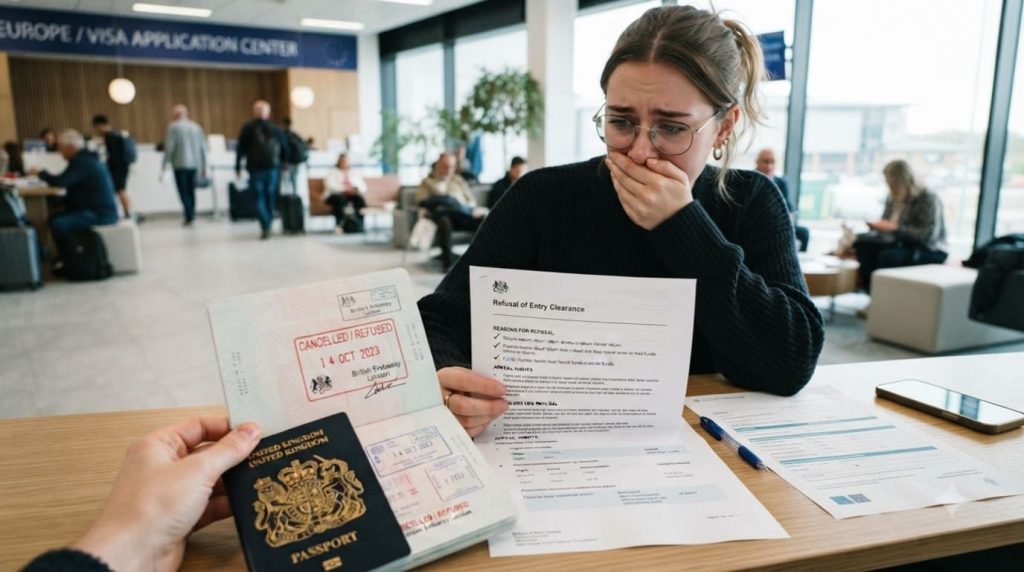
What Happens When Your Netherlands Visa Gets Rejected?
A visa rejection means the embassy has found your application insufficient based on Schengen rules. When your Netherlands visa is rejected, you will receive a refusal letter explaining the reason.
Key Points to Understand
| Factor | Explanation |
| Rejection Letter | Mentions the exact reason for refusal |
| Appeal Option | You can appeal within a limited timeframe |
| Reapplication | Possible after correcting mistakes |
| Impact | A previous visa refusal does not automatically prevent you from receiving a visa in the future. However, you should carefully review the refusal reasons and address any issues before submitting a new application. |
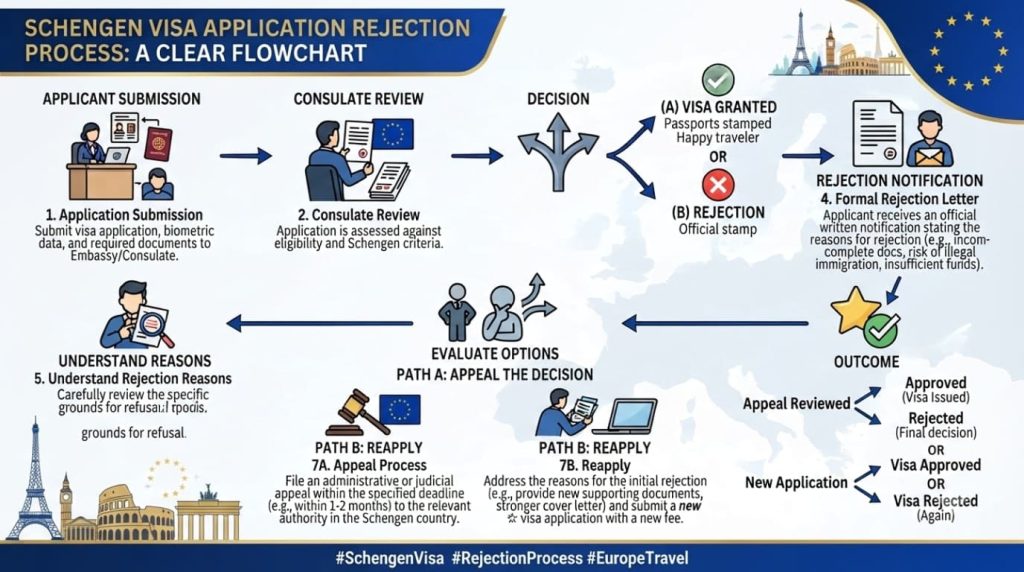
Top Netherlands Visa Rejection Reasons for UAE Applicants
Understanding typical refusal causes helps applicants avoid them:
1. Incomplete or Incorrect Documentation:
Omitting or misfiling required papers is a top rejection reason. For instance, failing to submit recent bank statements or using an outdated application form triggers automatic refusal. Always use the official checklist and double-check each item.
2. Insufficient Financial Proof
Demonstrating stable, adequate funds is critical. Visa officers expect to see several months of consistent bank statements with a healthy balance. Large unexplained deposits (e.g., a sudden €10,000 lump sum just before applying) or erratic income history raise red flags. Ensure your savings comfortably cover daily expenses, accommodation, and return travel.
3. Unclear Travel Purpose or Itinerary:
Applications often fail when officers find the travel plan vague or inconsistent. Submitting unconfirmed hotel bookings or no detailed schedule suggests you haven’t planned your trip. Providing a day-by-day itinerary with confirmed flight/hotel reservations and a clear cover letter explaining your trip goals will strengthen your case.
4. Weak Ties to UAE
If you cannot convincingly prove you will return (e.g., no stable job or family in the UAE), the visa is likely to be rejected. Embassies look for strong UAE ties: an employment contract, an approved leave letter, property deeds, family certificates, or business documents can all demonstrate your roots and intent to return.
5. Travel Insurance Issues
Submitting inadequate insurance is an automatic cause for refusal. The policy must meet Schengen standards: at least €30,000 coverage, valid for the full travel period, and covering all Schengen countries. Policies that expire too early, only cover one country, or lack emergency repatriation clauses will lead to denial
6. Previous Visa Violations
A history of overstaying or breaking visa rules significantly jeopardizes approval. Past non-compliance with any country’s immigration rules can lead to extra scrutiny and a higher chance of refusal on new applications.
7. Suspicious Application Information
Providing false, inconsistent, or unverifiable details will be caught and cause immediate rejection. AXA notes that visa officers will refuse applications if submitted information “was not reliable”, such as fake hotel bookings or contradictory statements. All bookings and documents must be genuine and consistent.
Common Mistakes UAE Applicants Should Avoid
Understanding the Netherlands visa rejection reasons UAE applicants commonly encounter can help you avoid preventable mistakes and prepare your application more carefully.
Many UAE applicants unknowingly make errors that lead to Schengen visa refusal.
UAE-based applicants often make preventable errors:
- Submitting Fake or Altered Documents: Any fraud leads to instant refusal. The refusal letter often cites “incorrect documents” if something was amiss. Always use genuine, officially translated papers.
- Incomplete Forms or Wrong Details: Even small data mismatches (name, passport number, dates) cause problems. Double-check all details against your passport.
- Last-Minute Applications: Applying too close to your travel date is risky. Embassies advise allowing plenty of time—ideally apply 6–8 weeks before your trip. Last-minute submissions during peak seasons or holidays greatly increase rejection risk.
- Weak Travel History: UAE applicants without prior international visas may appear higher risk. A clean travel record builds trust. If possible, obtain visas to other countries (e.g., GCC or Asia) first.
- Ignoring Specific Embassy Requirements: Each Schengen country may have slight differences. Follow the Netherlands-specific checklist on the VFS Global website. For example, interview questions or extra documents might apply to Dubai/Abu Dhabi applicants.
- Inconsistent Travel Dates: Booking flights or hotels that don’t align with your application dates can prompt rejection. Ensure all bookings clearly match the visa’s validity period.
- Poor Cover Letters: Vague or contradictory cover letters (e.g., stating parents fund you but bank statements are personal) cast doubt on your application. Keep statements consistent with your documents.
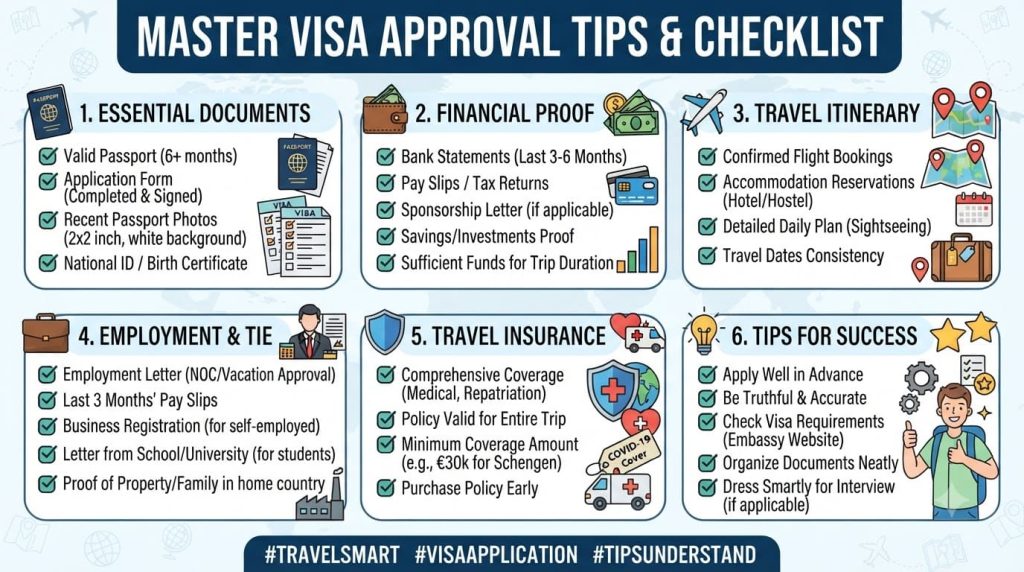
Visa Approval Tips for Netherlands Visa
To improve your chances, follow these expert visa approval tips:
1. Prepare Complete Documentation
Ensure all documents are accurate and up-to-date.
2. Maintain Strong Financial Records
Show consistent income and sufficient funds.
3. Provide Clear Travel Itinerary
Include flights, hotel bookings, and daily plans.
4. Show Strong UAE Ties
Employment letter, salary slips, and residency proof are essential.
5. Get Valid Travel Insurance
Ensure it meets Schengen requirements.
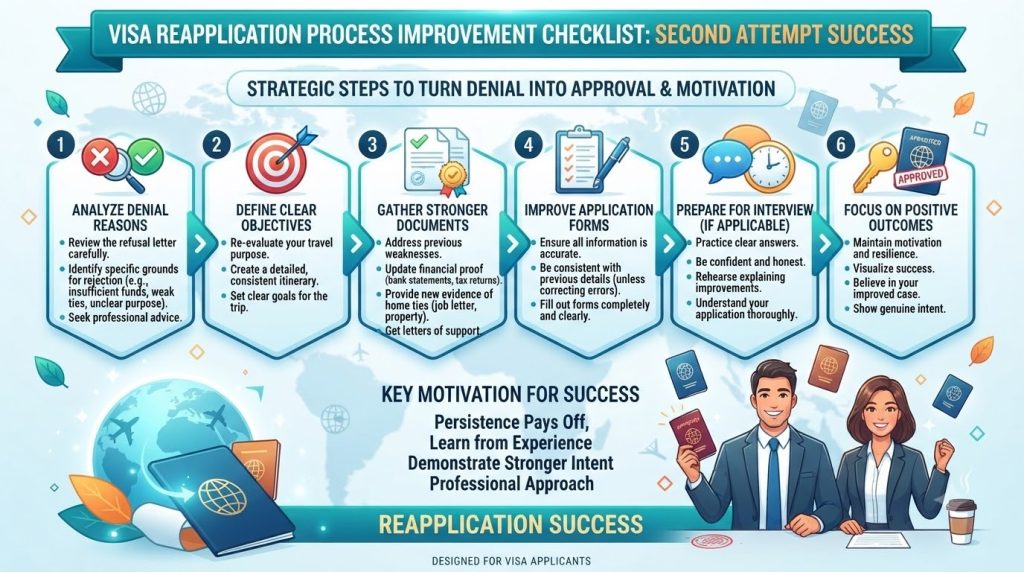
What to Do After a Netherlands Visa Rejection?
If your Netherlands visa is rejected, don’t panic. You have options:
Next Steps
| Step | Action |
| Understand Reason | Read refusal letter carefully |
| Fix Issues | Correct errors in documents |
| Reapply | Submit a new application after addressing the issues identified in the refusal and ensuring you meet the applicable requirements. |
| Seek Expert Help | Professional guidance increases success |
Why Choose Visahelp for Netherlands Visa Assistance?
At Visahelp, we specialize in helping UAE residents successfully apply for Schengen visas. If you need professional visa assistance, our team can help you review your documents, understand the application requirements, and prepare your application with greater confidence.
1. Document Verification:
Our team checks every document and form for completeness and accuracy before submission.
2. Application Guidance:
From tailored checklist support to interview prep, we help you present a strong case.
3. Rejection Analysis:
If a visa is refused, we analyze the refusal letter in detail and coach you on fixing each issue.
4. High Success Rate:
Our expertise in Dutch visa procedures and strong approval track record mean you apply with confidence.
Partnering with experienced visa consultants can save time and reduce stress – giving you the best chance for a positive outcome.
Conclusion
Understanding the Netherlands visa rejection reasons UAE applicants may encounter is an important step toward preparing a stronger visa application.
If you’ve experienced a Netherlands visa rejection or want to ensure a smooth process, professional assistance can make all the difference.
FAQs: Netherlands Visa Rejection
1. Why is my Netherlands visa rejected?
Common reasons include missing or incorrect documents, insufficient financial proof, or an unclear travel itinerary. For UAE applicants, not showing strong UAE ties (like stable employment) is also a frequent cause. Always check the refusal letter, as it specifies which issues to address.
2. Can I reapply after rejection?
Yes. You should immediately correct the problems noted in the refusal letter and submit a new application. There is no required wait – you can reapply as soon as your application is improved. Remember to pay the visa fee again.
3. How long do I have to wait before reapplying?
Once you fix the noted mistakes, you can reapply right away. Some applicants choose to reapply within a few days or weeks after receiving the refusal, especially if travel is urgent.
4. Does a rejection affect future applications?
Yes and no. The refusal is logged in the Schengen Information System (SIS) and future officers will see your history. However, a well-prepared subsequent application can still succeed. In other words, past refusal is not an automatic barrier – addressing the previous issues is key.
5. Is travel insurance mandatory?
Absolutely. Schengen rules require every visa applicant to have travel medical insurance of at least €30,000 coverage. Without valid insurance meeting these criteria, a Schengen visa will be refused. Always include the insurance certificate with your application.